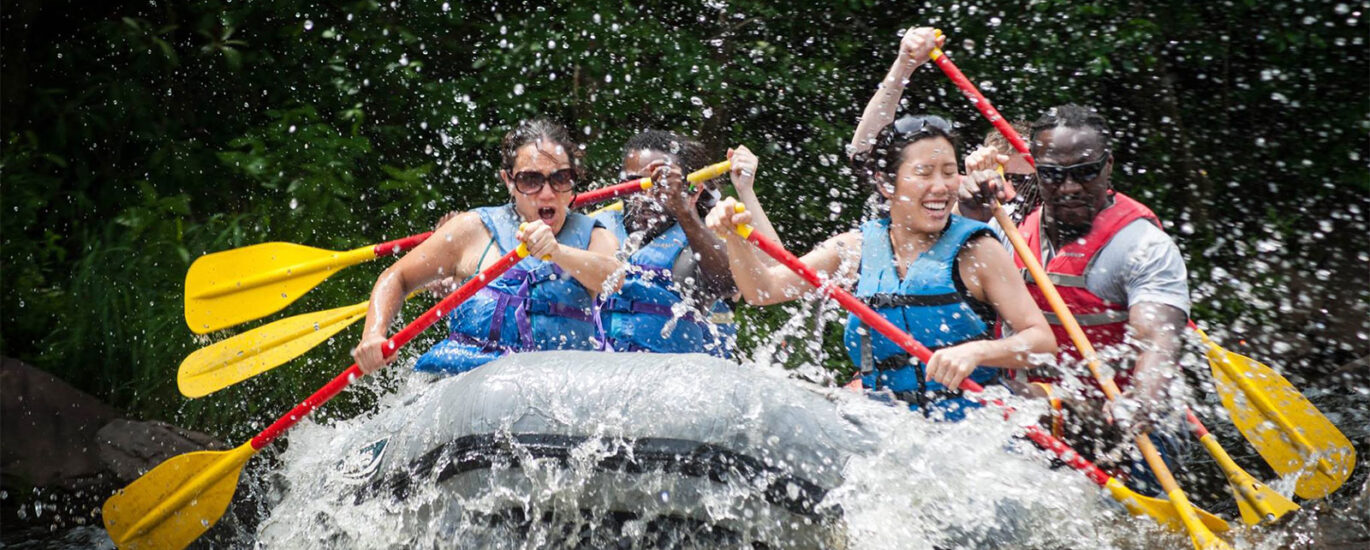
The Thrill of Adventure Sports: Pushing Boundaries and Embracing Adrenaline
Adventure sports are not for the faint of heart. They are for those who seek to push their limits, embrace adrenaline, and experience the world in a whole new way. From skydiving to rock climbing, from whitewater rafting to bungee jumping, adventure sports offer an unparalleled sense of excitement and freedom.
One of the key appeals of adventure sports is the opportunity to step outside your comfort zone and challenge yourself both physically and mentally. Whether you’re soaring through the sky on a zip line or navigating treacherous terrain on a mountain bike, these activities require courage, skill, and a willingness to take risks.
But it’s not just about the thrill of the moment. Engaging in adventure sports can also lead to personal growth and self-discovery. Overcoming fears, pushing through obstacles, and achieving new goals can build confidence, resilience, and a sense of accomplishment that transcends the immediate experience.
Moreover, adventure sports often take place in some of the most breathtaking natural settings on Earth. Whether you’re exploring remote wilderness areas, scaling towering cliffs, or riding powerful waves, these activities allow you to connect with nature in a profound way and appreciate its beauty and power.
Of course, safety is paramount when participating in adventure sports. Proper training, equipment, and guidance are essential to minimize risks and ensure a positive experience. By following best practices and heeding expert advice, adventurers can enjoy their chosen activities with confidence and peace of mind.
In conclusion, adventure sports offer an exhilarating blend of excitement, challenge, and personal growth. Whether you’re seeking an adrenaline rush or a deeper connection with nature, these activities provide a unique opportunity to break free from routine, test your limits, and create unforgettable memories that will last a lifetime.
8 Benefits of Adventure Sports: Thrills, Fitness, and Personal Growth
- Provides an adrenaline rush and excitement.
- Promotes physical fitness and strength.
- Encourages facing fears and overcoming challenges.
- Fosters a sense of accomplishment and self-confidence.
- Offers opportunities to explore stunning natural landscapes.
- Builds camaraderie and teamwork skills in group activities.
- Creates lasting memories and unforgettable experiences.
- Promotes mental resilience and problem-solving abilities.
7 Drawbacks of Adventure Sports: Risks, Costs, and Environmental Concerns
- High risk of injury due to the nature of extreme activities.
- Costly equipment and gear required for many adventure sports.
- Dependence on weather conditions can lead to cancellations or rescheduling.
- Limited accessibility in remote or challenging terrains.
- Physical demands may be too strenuous for some individuals.
- Lack of insurance coverage for certain high-risk adventure sports.
- Environmental impact and potential harm to natural habitats.
Provides an adrenaline rush and excitement.
Engaging in adventure sports provides an adrenaline rush and excitement that can invigorate the senses and elevate the spirit. Whether it’s the thrill of free-falling during a skydive, the rush of conquering a challenging rock climb, or the excitement of navigating turbulent whitewater rapids, these activities offer a unique opportunity to experience intense moments of exhilaration that can leave participants feeling alive, energized, and fully present in the moment.
Promotes physical fitness and strength.
Engaging in adventure sports offers a valuable benefit by promoting physical fitness and strength. Whether it’s hiking up rugged mountains, paddling through challenging rapids, or rock climbing steep cliffs, these activities require endurance, agility, and muscle power. By participating in adventure sports regularly, individuals can improve their cardiovascular health, enhance their muscular strength, and boost their overall physical fitness levels. Additionally, the dynamic nature of adventure sports provides a fun and engaging way to stay active and maintain a healthy lifestyle.
Encourages facing fears and overcoming challenges.
Engaging in adventure sports encourages individuals to confront their fears head-on and conquer challenges that may have once seemed insurmountable. Whether it’s taking the leap off a cliff for a thrilling base jump or navigating rough waters while whitewater rafting, these activities push participants out of their comfort zones and into a realm of personal growth and empowerment. By facing fears and overcoming obstacles in the context of adventure sports, individuals not only build resilience and self-confidence but also gain a profound sense of accomplishment that can positively impact other areas of their lives.
Fosters a sense of accomplishment and self-confidence.
Engaging in adventure sports fosters a profound sense of accomplishment and self-confidence. Overcoming challenges, pushing personal boundaries, and conquering fears in these exhilarating activities can lead to a powerful sense of achievement. Whether reaching the summit of a challenging peak, mastering a new skill like surfing or rock climbing, or completing a demanding endurance race, the feeling of success and empowerment gained from such accomplishments can have a lasting impact on an individual’s self-esteem and belief in their abilities.
Offers opportunities to explore stunning natural landscapes.
Adventure sports offer unparalleled opportunities to explore stunning natural landscapes that are often inaccessible by conventional means. Whether you’re rock climbing in rugged mountains, kayaking through crystal-clear waters, or hiking along remote trails, these activities allow adventurers to immerse themselves in the beauty of nature and witness breathtaking scenery firsthand. The chance to discover hidden gems, encounter diverse wildlife, and experience the raw power of the great outdoors makes adventure sports a truly remarkable way to connect with the natural world and create unforgettable memories.
Builds camaraderie and teamwork skills in group activities.
Engaging in adventure sports fosters camaraderie and enhances teamwork skills through group activities. Whether conquering a challenging hiking trail, navigating a white-water rafting course, or tackling an obstacle course together, participants learn to communicate effectively, support each other, and collaborate to overcome obstacles. The shared experiences and mutual reliance required in adventure sports create strong bonds among team members, fostering trust and unity that can translate into improved collaboration and camaraderie in other aspects of life.
Creates lasting memories and unforgettable experiences.
Engaging in adventure sports has the remarkable ability to create lasting memories and unforgettable experiences. Whether it’s conquering a challenging rock face, navigating turbulent whitewater rapids, or soaring through the sky on a zip line, these thrilling activities imprint themselves in our minds and hearts forever. The rush of adrenaline, the sense of accomplishment, and the breathtaking landscapes all combine to form moments that we cherish and reflect upon long after the adventure has ended. Adventure sports have a way of etching themselves into our memories, shaping our perspectives, and reminding us of the incredible experiences that life has to offer.
Promotes mental resilience and problem-solving abilities.
Engaging in adventure sports promotes mental resilience and enhances problem-solving abilities by challenging individuals to navigate unpredictable situations, adapt to changing environments, and overcome obstacles with quick thinking and resourcefulness. Whether facing a steep rock face while rock climbing or strategizing how to navigate rough waters while kayaking, participants develop a strong mindset that enables them to confront challenges head-on, build confidence in their decision-making skills, and cultivate a resilient attitude that can be applied beyond the realm of adventure sports into everyday life.
High risk of injury due to the nature of extreme activities.
Participating in adventure sports comes with a significant con: the high risk of injury due to the extreme nature of these activities. Whether it’s rock climbing, skydiving, or whitewater rafting, the inherent dangers associated with pushing physical limits and engaging in adrenaline-fueled pursuits cannot be ignored. Despite safety measures and precautions, accidents can still occur, leading to serious injuries that may have long-lasting consequences. It is crucial for adventure enthusiasts to fully understand and accept the potential risks involved in these activities and prioritize safety above all else to minimize the chances of harm.
Costly equipment and gear required for many adventure sports.
Participating in adventure sports can be financially demanding due to the need for costly equipment and gear. Whether it’s specialized climbing gear, high-performance bicycles, or safety equipment for activities like skydiving, the expenses can add up quickly. For many enthusiasts, the initial investment in quality gear is a barrier to entry into certain adventure sports, requiring careful budgeting and prioritization of expenses to pursue their passion for adrenaline-fueled activities.
Dependence on weather conditions can lead to cancellations or rescheduling.
One significant drawback of adventure sports is the dependence on weather conditions, which can often result in cancellations or the need for rescheduling. Activities such as skydiving, paragliding, and surfing require specific weather conditions to ensure safety and optimal experience. Unpredictable weather patterns can disrupt planned adventures, leading to disappointment and inconvenience for participants. This reliance on nature’s whims can be frustrating for enthusiasts who have eagerly anticipated their adrenaline-fueled escapades, only to have them postponed or canceled at the last minute.
Limited accessibility in remote or challenging terrains.
One significant drawback of adventure sports is the limited accessibility they often present in remote or challenging terrains. While these rugged and isolated locations may offer unparalleled natural beauty and opportunities for thrilling experiences, getting to them can be a daunting task. Inaccessible by traditional means of transportation, such as roads or public transit, these remote areas require specialized equipment, expertise, and logistical planning to reach safely. This limitation can deter some enthusiasts from participating in adventure sports and may pose additional challenges for those with physical disabilities or limitations.
Physical demands may be too strenuous for some individuals.
Participating in adventure sports can pose a con for some individuals due to the physical demands that these activities entail. The rigorous nature of adventure sports, such as rock climbing, whitewater rafting, or long-distance hiking, may be too strenuous for individuals who are not physically fit or have certain health conditions. Pushing oneself beyond one’s physical limits can lead to injuries or exhaustion, highlighting the importance of assessing one’s fitness level and capabilities before engaging in such activities. It is crucial for individuals to prioritize their safety and well-being by understanding the physical requirements of adventure sports and taking appropriate precautions to prevent any potential harm.
Lack of insurance coverage for certain high-risk adventure sports.
Participating in high-risk adventure sports can come with a significant downside: the lack of insurance coverage for certain activities. Many insurance providers consider extreme sports like skydiving, base jumping, and heli-skiing to be too risky to cover under standard policies, leaving participants vulnerable to potential accidents or injuries without adequate financial protection. This limitation can deter individuals from fully engaging in their passion for adventure sports or force them to seek specialized insurance options, adding an extra layer of complexity and cost to their pursuit of adrenaline-fueled thrills.
Environmental impact and potential harm to natural habitats.
Participating in adventure sports can have a significant environmental impact and pose potential harm to natural habitats. Activities such as off-road biking, rock climbing, and backcountry skiing can disrupt fragile ecosystems, damage vegetation, and disturb wildlife populations. Increased foot traffic and the construction of infrastructure for adventure sports can also lead to habitat destruction and fragmentation. It is crucial for adventurers to be mindful of their surroundings, follow designated trails, and adhere to Leave No Trace principles to minimize their ecological footprint and preserve the integrity of natural environments for future generations.