What Does Travel Mean?
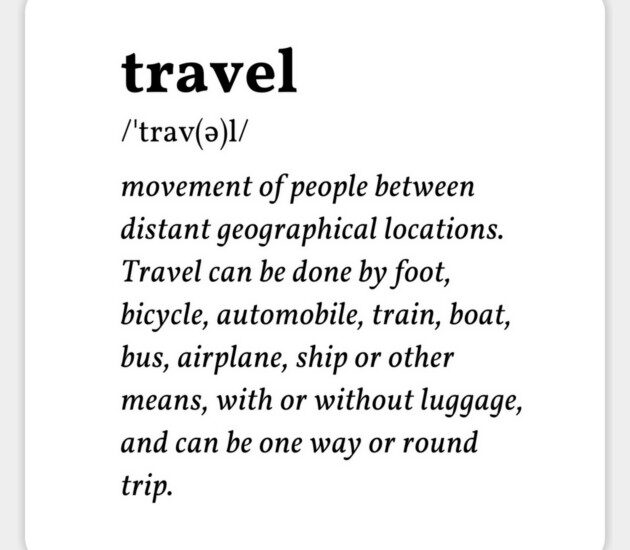
Travel means going from one place to another. It can be a short trip across town, a visit to another state, or a journey to a country on the other side of the world. People travel for many reasons, including work, education, recreation, family, and the desire to experience somewhere new.
The Meaning of Travel
At its simplest, travel is movement between locations. The word can describe the journey itself, the time spent getting somewhere, or the broader experience of visiting a place. For example, someone might travel by train, travel abroad for a vacation, or talk about travel as a way to learn about different cultures.
Travel does not have to involve a long distance or an overnight stay. A day trip to a nearby town is still travel. So is commuting to another city for work. The purpose and experience may differ, but each involves leaving one place and going to another.
Why People Travel
People travel for a wide range of reasons. Some common motivations include:
- Leisure: Taking a vacation, relaxing, or enjoying activities in a new setting.
- Exploration: Discovering landscapes, cities, history, food, and local traditions.
- Work: Attending meetings, conferences, assignments, or business events.
- Education: Studying abroad, joining a school trip, or learning outside the classroom.
- Connection: Visiting friends and family or celebrating important occasions.
- Personal growth: Building confidence, gaining independence, and seeing life from a different perspective.
Travel as an Experience
For many people, travel means more than reaching a destination. It can involve meeting people, trying unfamiliar foods, learning local customs, and noticing how daily life differs from what they know. Even a simple change of scenery can offer a fresh perspective.
Travel experiences are not always easy or predictable. Delays, language differences, and unexpected changes can be part of a journey. Planning ahead, staying flexible, and approaching unfamiliar situations with respect can help make travel more rewarding.
Different Types of Travel
Travel can take many forms. Domestic travel happens within a traveler’s own country, while international travel crosses national borders. Solo travel involves exploring independently, and group travel brings people together on a shared trip. Other styles include road trips, adventure travel, cultural travel, and sustainable travel.
The best type of travel depends on a person’s interests, budget, time, and comfort level. Some travelers prefer a detailed itinerary, while others enjoy making plans as they go. There is no single right way to travel.
Travel and Responsible Choices
Travel can benefit local communities and help visitors understand the world more deeply. It also brings responsibilities. Travelers can show respect by following local rules, learning basic customs, supporting local businesses, and reducing waste where possible. Thoughtful choices help protect the places and communities that make each destination special.
In Summary
Travel means moving from one place to another, but it can also describe the experiences and discoveries that happen along the way. Whether a journey is near or far, planned or spontaneous, travel can connect people with new places, ideas, and perspectives.
Exploring the Essence of Travel: Understanding Its Meaning and Impact
- What does travel mean?
- What is the difference between travel and tourism?
- What does it mean to travel?
- What are the different types of travel?
- Why do people travel?
- Does travel have to involve going far away?
- What does travel mean in a personal or cultural context?
What does travel mean?
Travel means going from one place to another, whether it’s a short trip nearby or a longer journey to another country. People travel for many reasons, such as vacation, work, education, or visiting friends and family. Beyond the distance covered, travel can also mean experiencing new places, meeting people, and learning about different cultures.
What is the difference between travel and tourism?
Travel is the act of going from one place to another, for any reason, including work, family visits, education, or recreation. Tourism is a type of travel focused on leisure or visiting places and attractions, often for a limited time. In other words, all tourism involves travel, but not all travel is tourism.
What does it mean to travel?
To travel means to go from one place to another, whether for a short visit or a longer journey. People travel for many reasons, such as vacation, work, education, or visiting friends and family. Travel can also mean exploring unfamiliar places, experiencing different cultures, and gaining new perspectives along the way.
What are the different types of travel?
The different types of travel include domestic travel within your own country and international travel across borders. People also travel for different purposes, such as leisure, business, education, adventure, or visiting friends and family. Travel styles can vary too: solo travel is done independently, while group travel involves a shared itinerary. Other popular options include road trips, cultural travel, and sustainable travel, which aims to reduce environmental impact and support local communities.
Why do people travel?
People travel for many reasons, including relaxation, adventure, work, education, and visiting friends or family. Exploring new places can introduce travelers to different cultures, foods, landscapes, and ways of life. Travel can also offer a change of scenery, create lasting memories, and help people gain fresh perspectives. Whether it’s a weekend getaway or a trip abroad, each journey can serve a purpose that’s meaningful to the traveler.
Does travel have to involve going far away?
No, travel doesn’t have to involve going far away. A short trip to a nearby town, a day visit to a local attraction, or even a journey to another part of your city can all count as travel. What matters is going from one place to another, whether for work, recreation, learning, or a change of scenery.
What does travel mean in a personal or cultural context?
In a personal context, travel can mean stepping outside familiar routines, gaining independence, and discovering new interests or perspectives. Culturally, it can create opportunities to experience local traditions, food, language, history, and everyday life. The meaning varies from person to person: a journey might offer relaxation, connection, learning, or a deeper understanding of how people live in different places. Traveling respectfully—with curiosity and openness—can make these experiences more meaningful for both visitors and host communities.