What Is a Tourist? A Guide to Traveling With Curiosity and Respect
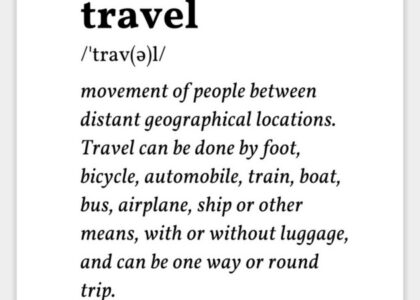
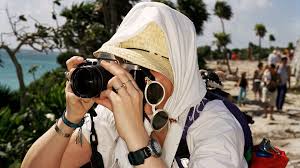
A tourist is someone who travels away from home to visit another place, whether for a day, a week, or longer. People travel for many reasons: to see famous landmarks, relax on a beach, visit family, explore nature, or experience a different culture. Whatever the destination, tourism can turn an ordinary trip into an opportunity to learn, connect, and see the world from a fresh perspective.
What Do Tourists Do?
Tourists choose activities that match their interests and the time they have. One person may spend a trip visiting museums and historic sites, while another may prefer hiking, sampling local food, or attending a concert. Some travelers plan every detail in advance; others leave room for spontaneous discoveries.
Common activities include:
- Visiting landmarks, museums, and cultural sites
- Exploring neighborhoods, parks, and natural attractions
- Trying regional food and learning about local traditions
- Taking guided tours or exploring independently
- Shopping for locally made goods and souvenirs
How to Plan a Great Trip
Thoughtful preparation can make travel smoother and more enjoyable. Start by choosing a destination that suits your budget, interests, and available time. Check entry requirements, weather, transportation options, and local customs before you go. Booking accommodations and popular activities ahead of time can also help, especially during busy travel seasons.
Pack for the conditions you expect, but keep your luggage manageable. Bring essential documents, any needed medications, and a way to access important travel information. It is also wise to keep some flexibility in your schedule. A little unplanned time can make it easier to discover a quiet café, a local market, or a scenic route you had not considered.
Being a Respectful Tourist
Tourism affects the places people visit and the communities that call them home. Respectful tourists make an effort to follow local rules, learn basic etiquette, and treat residents with consideration. Ask before photographing people, dress appropriately for religious or cultural sites, and avoid touching or removing objects from historic and natural areas.
Whenever possible, support local businesses by choosing locally owned restaurants, guides, and shops. Reduce waste, use refillable water bottles where appropriate, and follow marked paths in parks and protected areas. Small choices can help preserve a destination while making travel more meaningful.
Travel With an Open Mind
Being a tourist does not mean simply checking sights off a list. The most memorable experiences often come from paying attention: noticing how a city moves, listening to local stories, or trying something unfamiliar. Curiosity and patience can help travelers connect more deeply with a place.
Whether exploring a nearby town or crossing an ocean, every tourist has the chance to return home with new memories and a broader understanding of the world. Plan carefully, travel responsibly, and leave room for discovery.
5 Essential Travel Tips for Tourists
- Keep your passport secure.
- Learn a few local phrases.
- Check the weather before heading out.
- Respect local customs and rules.
- Stay aware of your surroundings.
Keep your passport secure.
Keep your passport secure throughout your trip. Carry it in a hidden money belt or a secure pocket, and avoid leaving it unattended in public places or easily accessible areas of your hotel room. Keep a photocopy or digital copy stored separately in case it’s lost or stolen, and check your passport’s location before moving between destinations.
Learn a few local phrases.
Learn a few local phrases before your trip, such as “hello,” “please,” “thank you,” and “excuse me.” Even a small effort can make everyday interactions friendlier and show respect for the local culture. Pronunciation doesn’t have to be perfect—locals often appreciate the gesture, and a translation app or phrasebook can help when you need it.
Check the weather before heading out.
Check the weather before heading out so you can dress comfortably and prepare for changing conditions. A quick forecast can help you decide whether to bring a jacket, umbrella, sunscreen, or extra water, and whether outdoor plans need to be adjusted. Being prepared makes it easier to enjoy your day and avoid getting caught off guard.
Respect local customs and rules.
Respecting local customs and rules helps make travel more welcoming for both visitors and residents. Before you go, learn about local etiquette, dress expectations, and guidelines for visiting religious sites, cultural landmarks, and natural areas. Follow posted signs, ask permission before photographing people, and be considerate of local traditions—even when they differ from your own. Small gestures of respect can help you connect with the community and leave a positive impression.
Stay aware of your surroundings.
Stay aware of your surroundings wherever you travel. Keep an eye on your belongings, especially in crowded places like markets, stations, and tourist attractions, and be mindful of traffic when crossing streets. Pay attention to local safety guidance, know how to contact emergency services, and trust your instincts if a situation feels uncomfortable. A little awareness can help you enjoy your trip with greater confidence.