Morocco: A Journey Through Color, Culture, and Contrasts
At the crossroads of Africa, Europe, and the Middle East, Morocco is a country of striking variety. Visitors can wander through centuries-old medinas, watch the sun set over the Sahara, hike in the Atlas Mountains, or relax beside the Atlantic Ocean. Its landscapes and traditions make every part of a journey feel distinct.
A Land of Many Landscapes
Morocco’s scenery changes dramatically from region to region. The Atlas Mountains cross the country, with valleys, villages, and high passes offering opportunities for hiking and scenic drives. To the southeast, the Sahara’s sweeping dunes create a memorable setting for an overnight desert stay. Along the coast, cities such as Essaouira and Agadir offer sea air, beaches, and a slower pace.
In the north, the Rif Mountains surround the blue-painted town of Chefchaouen. Inland, fertile plains and palm-filled oases add even more variety to the landscape.
Cities Full of Character
Morocco’s cities each have their own atmosphere. Marrakech is known for its lively Jemaa el-Fnaa square, historic palaces, gardens, and bustling souks. Fes is famous for its extensive old medina, where narrow lanes lead past workshops, mosques, and traditional schools. Rabat, the country’s capital, combines historic landmarks with a relaxed coastal feel, while Casablanca is a major commercial center with modern architecture and a busy waterfront.
In the north, Tangier has long connected Morocco with the wider world. Its cafés, old town, and views across the Strait of Gibraltar reflect its distinctive position between continents.
History and Cultural Heritage
Morocco’s history has been shaped by Amazigh (Berber), Arab, African, Andalusian, and other influences. This rich heritage can be seen in the country’s architecture, music, crafts, languages, and food. Arabic and Amazigh are official languages, while Moroccan Arabic, French, and other languages are also widely used in daily life.
Historic sites are part of the experience in many cities, from ornate riads and tiled courtyards to ancient city walls and religious schools. A visit to a local craft workshop can offer a closer look at traditions such as weaving, pottery, leatherwork, and metalwork.
What to Eat in Morocco
Moroccan cuisine is known for its layered flavors, fresh ingredients, and generous hospitality. Tagine, a slow-cooked dish named for its distinctive cooking vessel, may include vegetables, chicken, lamb, or fish. Couscous is another staple, often served with vegetables and meat. Pastilla combines delicate pastry with a savory filling and a dusting of sugar and cinnamon, while harira—a hearty soup—is especially popular during Ramadan.
Mint tea is commonly served to guests and is an important part of social gatherings. Food traditions vary by region, so trying local specialties is one of the best ways to experience the country.
When to Visit
Spring and fall are often comfortable seasons for exploring cities and traveling between regions. Summer can be very hot inland and in the desert, while coastal areas are generally milder. Mountain weather varies with elevation, and winter can bring snow to higher parts of the Atlas Mountains. Before a trip, check conditions for each destination, especially if planning a mountain hike or desert excursion.
Travel Tips
- Dress thoughtfully: Morocco is culturally diverse, but modest clothing is generally appreciated, especially in smaller towns and religious settings.
- Plan travel times: Distances can be longer than they appear on a map, particularly on mountain roads. Allow time for breaks and changing conditions.
- Ask before taking photos: Be considerate when photographing people, private spaces, or religious sites.
- Choose guides and excursions carefully: Use reputable local operators and agree on prices and arrangements in advance.
- Respect local customs: A few polite greetings and an open-minded approach can make everyday interactions more rewarding.
A Country Worth Exploring Slowly
Morocco offers far more than a checklist of famous sights. The pleasure of a visit often lies in the small moments: sharing tea, hearing music in a courtyard, watching artisans at work, or taking in the changing colors of a mountain landscape. With its blend of history, hospitality, and natural beauty, Morocco rewards travelers who make time to look beyond the expected.
Exploring Morocco: A Journey Through Culture, Scenery, and Adventure
- Rich blend of Amazigh, Arab, and African cultures
- Vibrant historic medinas and souks
- Stunning Atlas Mountain scenery
- Memorable Sahara Desert landscapes
- Beautiful Atlantic and Mediterranean coastlines
- Flavorful cuisine and welcoming tea traditions
- Remarkable architecture and historic sites
- Colorful cities, including Marrakech and Chefchaouen
- Easy to find experiences for culture, nature, and adventure
Challenges of Traveling in Morocco: Navigating Heat, Crowds, and More
- Summer heat can be intense, especially inland.
- Bargaining in busy souks may feel tiring.
- Traffic can be hectic in larger cities.
- Long drives between destinations are common.
- Crowds are frequent at popular attractions.
- Language barriers may arise outside tourist areas.
Rich blend of Amazigh, Arab, and African cultures
Morocco’s rich blend of Amazigh, Arab, and African cultures gives the country a distinctive character. This heritage is reflected in its languages, music, architecture, crafts, and cuisine, from Amazigh weaving traditions and Arab-Andalusian influences to rhythms and customs shaped by connections across Africa. For visitors, the result is a vibrant cultural experience that varies from one region to another.
Vibrant historic medinas and souks
Morocco’s vibrant historic medinas and souks offer a captivating glimpse into everyday life and centuries-old traditions. Wander through winding alleyways lined with colorful textiles, fragrant spices, handmade pottery, and intricate leather goods, while the sounds of bargaining and bustling workshops fill the air. From Marrakech to Fes, these lively markets invite visitors to meet local artisans, discover distinctive crafts, and experience the energy and character of Morocco’s historic cities.
Stunning Atlas Mountain scenery
Morocco’s Atlas Mountains offer some of the country’s most breathtaking scenery, with rugged peaks, green valleys, winding roads, and traditional villages set against dramatic landscapes. Visitors can hike mountain trails, explore the foothills, or simply enjoy panoramic views that change with the seasons. Whether dusted with snow in winter or warmed by the sun in summer, the Atlas Mountains provide a memorable escape from Morocco’s bustling cities and coastline.
Memorable Sahara Desert landscapes
Morocco’s Sahara Desert offers some of the country’s most unforgettable scenery. Near Merzouga, vast golden dunes rise and shift with the wind, glowing in warm colors at sunrise and sunset. Visitors can explore the landscape on foot or by camel, then spend the night at a desert camp beneath a brilliant, star-filled sky. The quiet, open horizon and changing patterns of light make the Sahara a memorable highlight of a trip to Morocco.
Beautiful Atlantic and Mediterranean coastlines
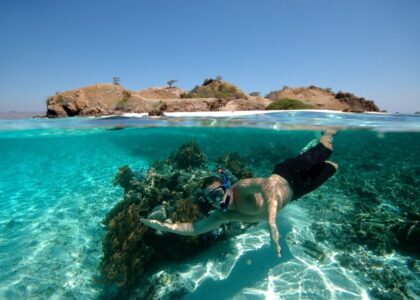
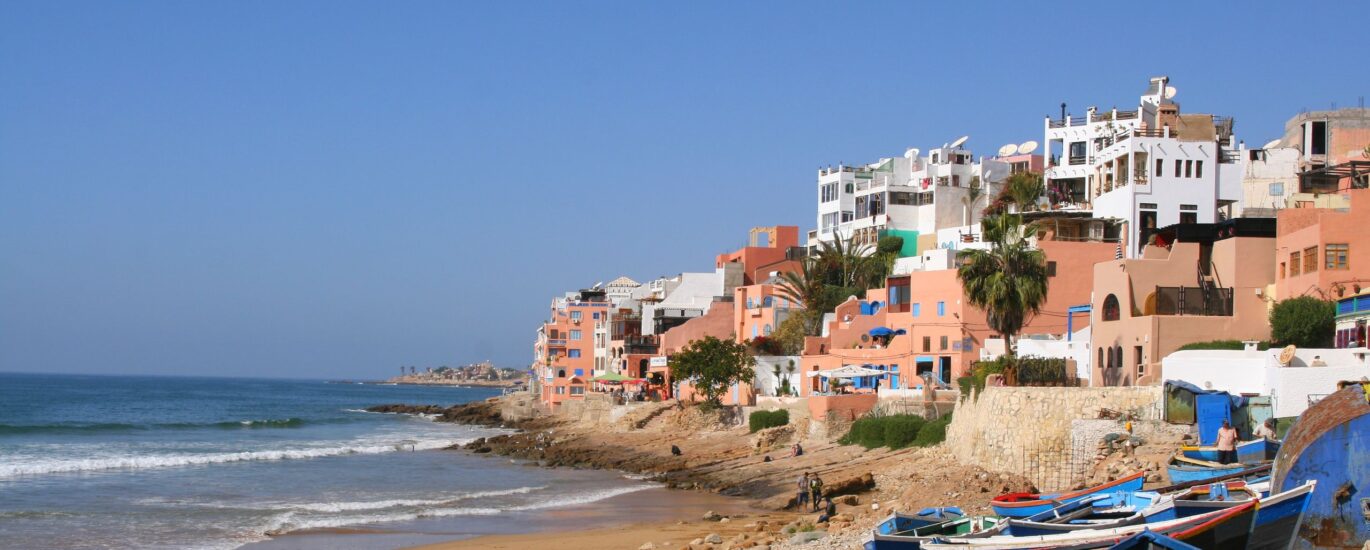
Morocco’s coastlines offer two distinct ways to enjoy the sea. Along the Atlantic, visitors can find broad beaches, dramatic cliffs, and lively surf towns, while the Mediterranean shore is known for its sheltered coves, clear blue water, and relaxed seaside resorts. From breezy Essaouira to the beaches near Tangier and Al Hoceima, the country’s varied coastline makes it easy to combine scenic views, water activities, and laid-back coastal escapes.
Flavorful cuisine and welcoming tea traditions
Morocco’s cuisine is rich with fragrant spices, fresh ingredients, and dishes made for sharing. From slow-cooked tagines and savory couscous to sweet pastries, every meal offers a taste of the country’s diverse heritage. Hospitality is often expressed through a welcoming glass of mint tea, poured with care and enjoyed over conversation. These food and tea traditions make dining in Morocco a memorable way to connect with local culture.
Remarkable architecture and historic sites
Morocco’s remarkable architecture and historic sites offer a vivid glimpse into the country’s rich past. In cities such as Fes, Marrakech, and Rabat, ornate palaces, centuries-old mosques, ancient medinas, and traditional riads showcase intricate tilework, carved cedar, and elegant courtyards. Exploring these landmarks reveals the many cultural influences that have shaped Morocco and makes a visit feel like a journey through history.
Colorful cities, including Marrakech and Chefchaouen
Morocco’s cities are a feast for the eyes, each with its own distinctive colors and character. In Marrakech, rose-red walls, lively souks, and richly tiled courtyards create an energetic atmosphere, while Chefchaouen charms visitors with its winding lanes and buildings painted in shades of blue. Exploring these colorful cities offers a memorable glimpse into Morocco’s architecture, crafts, and everyday life.
Easy to find experiences for culture, nature, and adventure
Morocco makes it easy to combine culture, nature, and adventure in one trip. Explore the historic medinas of Marrakech and Fes, discover local crafts and cuisine, hike in the Atlas Mountains, or head into the Sahara for a desert excursion. With Atlantic and Mediterranean coastlines, mountain trails, vibrant cities, and traditional villages, the country offers experiences for a wide range of interests—all within reach of a single itinerary.
Summer heat can be intense, especially inland.
Summer heat can be intense in Morocco, particularly inland and in desert regions, where daytime temperatures may make sightseeing and outdoor activities uncomfortable. Plan demanding outings for the early morning or evening, drink plenty of water, and choose lightweight, breathable clothing. Coastal destinations are often cooler, so they can be a more comfortable option during the hottest months.
Bargaining in busy souks may feel tiring.
Bargaining in Morocco’s busy souks can be tiring, especially when you’re navigating crowded lanes, comparing prices, and negotiating with several vendors. Haggling is a common part of shopping in many markets, but the persistent sales pitches and back-and-forth may feel overwhelming if you prefer straightforward pricing. Taking your time, setting a comfortable budget, and politely declining when you’re not interested can make the experience easier.
Traffic can be hectic in larger cities.
Traffic can be hectic in Morocco’s larger cities, especially in busy areas and during rush hour. Cars, motorcycles, bicycles, and pedestrians often share crowded streets, which can make crossing roads and getting around stressful for visitors. Allow extra travel time, stay alert, and consider using a trusted taxi or local guide if you’re unfamiliar with the area.
Long drives between destinations are common.
One drawback of traveling in Morocco is that long drives between destinations are common. The country’s mountains, deserts, and winding roads can make journeys take longer than expected, so getting from one city or region to another may use up a significant part of the day. Travelers should plan realistic itineraries, allow time for rest stops, and consider breaking up longer trips with an overnight stay.
Crowds are frequent at popular attractions.
Crowds are common at Morocco’s most popular attractions, especially in busy medinas, famous squares, and well-known historic sites. During peak travel seasons and midday hours, narrow streets can feel packed, making it harder to explore at a relaxed pace or take photos. Visiting early in the morning, choosing less busy days, or exploring lesser-known neighborhoods can help make the experience more enjoyable.
Language barriers may arise outside tourist areas.
Language barriers may arise in Morocco, especially outside major tourist areas, where fewer people speak English. Arabic and Amazigh are widely used, while French is common in many settings, so communicating can be more challenging in smaller towns and rural communities. Learning a few basic phrases, using a translation app, and keeping important addresses written down can make getting around easier.