Luggage Bags: How to Choose the Right One for Your Trip
The right luggage bag can make traveling easier, whether you’re heading out for a weekend getaway or a long international trip. A bag that suits your travel style keeps essentials organized, protects your belongings, and is easier to handle along the way. With so many sizes, materials, and designs available, it helps to know what to look for before you buy.
Common Types of Luggage Bags
Carry-On Bags
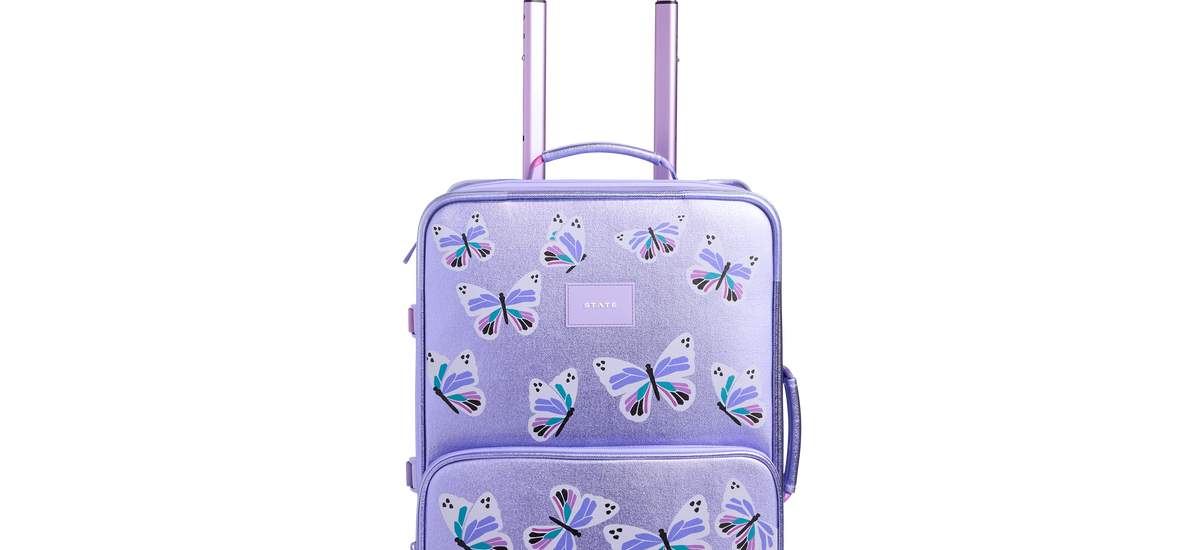
Carry-on bags are designed to travel with you in the cabin. They’re useful for short trips and can help you avoid checking a bag. Before choosing one, check the size and weight limits for the airlines you’re flying with, since requirements can vary.
Checked Suitcases
Checked luggage offers more room for longer trips, bulky clothing, or items that aren’t permitted in the cabin. Hard-shell suitcases provide a firm outer layer, while soft-sided options may offer more flexibility and exterior pockets. Remember that checked bags can be exposed to rough handling, so durable construction matters.
Duffel Bags
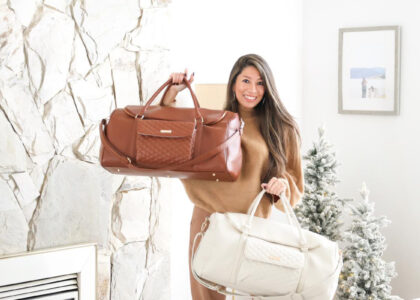
Duffel bags are flexible and often easy to store when they’re empty. Many have shoulder straps and carry handles, making them a practical choice for gym trips, road trips, or casual travel. Wheeled duffels can be more comfortable when carrying heavier loads.
Backpacks
Travel backpacks keep your hands free and can be convenient on public transportation or uneven streets. Look for padded straps, supportive back panels, and compartments that make it easy to reach frequently used items. Some models are designed to meet carry-on requirements, but dimensions should always be checked.
What to Consider When Choosing Luggage
- Trip length: A small carry-on may be enough for a short trip, while longer stays may call for a larger suitcase.
- How you’ll travel: Wheeled luggage works well in airports and on smooth sidewalks. A backpack or duffel may be easier to manage on stairs or rough terrain.
- Weight: A lighter bag leaves more room for your belongings and can make lifting and carrying easier.
- Wheels and handles: Check that wheels roll smoothly and handles extend and retract comfortably. Spinner wheels move in multiple directions, while two-wheel designs tend to roll behind you.
- Organization: Compartments, compression straps, and pockets can help separate clothing, shoes, and smaller essentials.
- Security: Sturdy zippers and lock-compatible features can offer added peace of mind. Use locks that meet the requirements of your destination and transportation provider.
- Durability: Inspect seams, zippers, wheels, and handles, as these parts often experience the most wear.
Hard-Shell or Soft-Sided?
Hard-shell luggage has a rigid exterior that can help shield contents from impacts and spills. It is often easy to wipe clean, though some finishes may show scratches. Soft-sided luggage can be easier to squeeze into tight spaces and may include useful exterior pockets. Neither style is right for every traveler; the best choice depends on what you pack and how you travel.
Tips for Packing Your Luggage
Start with a packing list to avoid bringing items you won’t use. Place heavier belongings near the wheels of a rolling suitcase to help keep it balanced, and use packing cubes or small pouches to group similar items. Keep important documents, medications, valuables, and a change of clothes in your carry-on when possible. For air travel, review current baggage rules before packing, especially for liquids, batteries, and restricted items.
Care and Storage
After a trip, empty every pocket and clean the bag according to its care instructions. Wipe down the exterior, remove dirt from wheels, and let the luggage dry completely before storing it. Keep it in a cool, dry place, and avoid placing heavy objects on top if they could damage its shape.
Find a Bag That Fits Your Travel Style
The best luggage bag is one that fits your trip, feels comfortable to use, and holds up to regular travel. Compare dimensions, weight, features, and materials before making a choice. A little planning can help you travel with less stress and keep your belongings organized wherever you go.
Luggage FAQs: Choosing, Packing, Securing, and Caring for Your Bags
- What size luggage bag can I bring as a carry-on?
- What’s the difference between hard-shell and soft-sided luggage?
- How do I choose the right luggage bag for my trip?
- Are spinner wheels or two-wheel luggage better?
- How can I keep my luggage bag secure while traveling?
- What should I pack in my carry-on luggage bag?
- How do I clean and care for a luggage bag?
- What features should I look for in a durable luggage bag?
What size luggage bag can I bring as a carry-on?
Most U.S. airlines allow a carry-on bag up to about 22 x 14 x 9 inches, including wheels and handles, but size limits vary by airline, route, and aircraft. Check your airline’s current rules before you travel, and measure your bag when it’s fully packed. Many tickets also allow a smaller personal item, such as a backpack or purse, that fits under the seat.
What’s the difference between hard-shell and soft-sided luggage?
Hard-shell luggage has a rigid outer case that can help protect belongings from impacts and spills, and it’s usually easy to wipe clean. Soft-sided luggage is made from flexible fabric, so it may fit more easily into tight spaces and often includes convenient exterior pockets. Hard-shell bags can be heavier or show scratches, while soft-sided bags may be more vulnerable to moisture and rough handling. The best option depends on what you’re packing, how you travel, and which features matter most to you.
How do I choose the right luggage bag for my trip?
Choose a luggage bag based on your trip’s length, destination, and how you’ll be traveling. A carry-on may be enough for a short trip, while a larger checked suitcase can suit longer stays. Consider whether wheels, a backpack, or a duffel will be easiest to manage, and look for durable materials, comfortable handles, and useful compartments. Before buying or packing, check your airline’s current size and weight limits to make sure your bag meets its requirements.
Are spinner wheels or two-wheel luggage better?
Spinner wheels move in multiple directions, making them easy to maneuver through crowded airports and narrow aisles, especially when the bag is upright. Two-wheel luggage rolls behind you and can be more stable on uneven sidewalks or rough surfaces, while its wheels are often recessed and less exposed to bumps. The better option depends on where you’ll travel and how you prefer to handle your bag: choose spinners for smooth floors and easy steering, or two-wheel luggage for durability and better performance on varied terrain.
How can I keep my luggage bag secure while traveling?
To keep your luggage bag secure while traveling, use a sturdy lock that meets your airline or destination’s requirements, and keep valuables, travel documents, medication, and electronics in a carry-on that stays with you. Choose a bag with durable zippers, add a luggage tag with your contact information while keeping personal details discreet, and consider using a distinctive strap or cover to make it easier to spot. In crowded areas, keep your bag close and within sight, and avoid leaving it unattended.
What should I pack in my carry-on luggage bag?
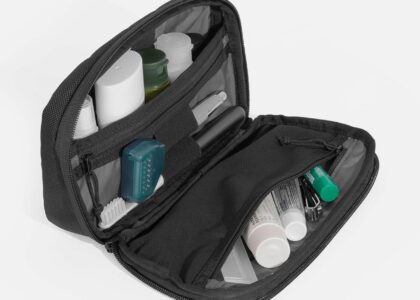
Pack your carry-on with items you may need during the trip and anything that would be difficult to replace if your checked bag is delayed. Include travel documents, medications, valuables, a phone charger, headphones, a water bottle (empty before security, if required), and a change of clothes. Keep essential toiletries in travel-size containers and follow your airline’s and airport’s rules for liquids, batteries, and restricted items.
How do I clean and care for a luggage bag?
To clean and care for a luggage bag, first empty all pockets and check the manufacturer’s care instructions. Wipe hard-shell exteriors with a soft cloth and mild soapy water; clean fabric bags with a damp cloth or a suitable fabric cleaner, testing it on a hidden spot first. Use a small brush to remove dirt from zippers and wheels, and avoid soaking the bag. Let it air-dry completely before storing it in a cool, dry place. After each trip, check for loose threads, damaged zippers, or worn wheels, and repair small issues promptly to help your luggage last longer.
What features should I look for in a durable luggage bag?
For a durable luggage bag, look for tough materials, reinforced seams, and sturdy zippers that can withstand frequent use. Check that the wheels roll smoothly, the handles feel secure, and stress points are reinforced. Hard-shell bags can help protect belongings from bumps, while high-quality soft-sided bags offer flexibility and may include useful exterior pockets. A reliable warranty is also a good sign of the manufacturer’s confidence in the bag’s construction.