Round-Trip Flights: What to Know Before You Book
A round-trip flight takes you from your starting point to a destination and back again. It’s a popular choice for travelers with set plans because both legs of the journey can be arranged in one booking. Before you buy, compare prices, check the fare rules, and make sure the itinerary fits your schedule.
How Round-Trip Flights Work
A typical round-trip itinerary includes an outbound flight and a return flight. The flights may be operated by the same airline or by different airlines, depending on the ticket and booking options. You’ll usually see the dates, times, airports, and any connections for both parts of the trip before checkout.
Round-trip does not always mean a nonstop journey. Your flights may include one or more connections, and the outbound and return routes may differ. Review each leg carefully, including the airport names and connection times.
Round-Trip vs. One-Way Tickets
A round-trip ticket can be convenient when you know when you’ll return. It keeps both directions together in one itinerary and can make it easier to manage your travel plans. However, it isn’t automatically cheaper than buying two one-way tickets.
Compare the total cost of a round-trip itinerary with the cost of separate one-way flights. Be sure to include baggage fees, seat-selection charges, and other costs that may apply. If your plans are flexible or you’re visiting multiple cities, separate one-way tickets may offer more options.
Tips for Finding a Good Fare
- Compare nearby dates: Shifting your departure or return by a day or two may reveal different fares.
- Check alternate airports: A nearby airport may have a lower fare, but factor in the cost and time of getting there.
- Look beyond the headline price: Review baggage allowances, seat fees, change rules, and other charges before booking.
- Compare the full itinerary: A lower-priced ticket may involve long layovers, inconvenient flight times, or a self-transfer.
- Read the fare conditions: Rules for changes, cancellations, refunds, and missed flights vary by airline and ticket type.
- Confirm passenger details: Enter names as they appear on the travel documents you’ll use for the trip.
What to Check Before You Book
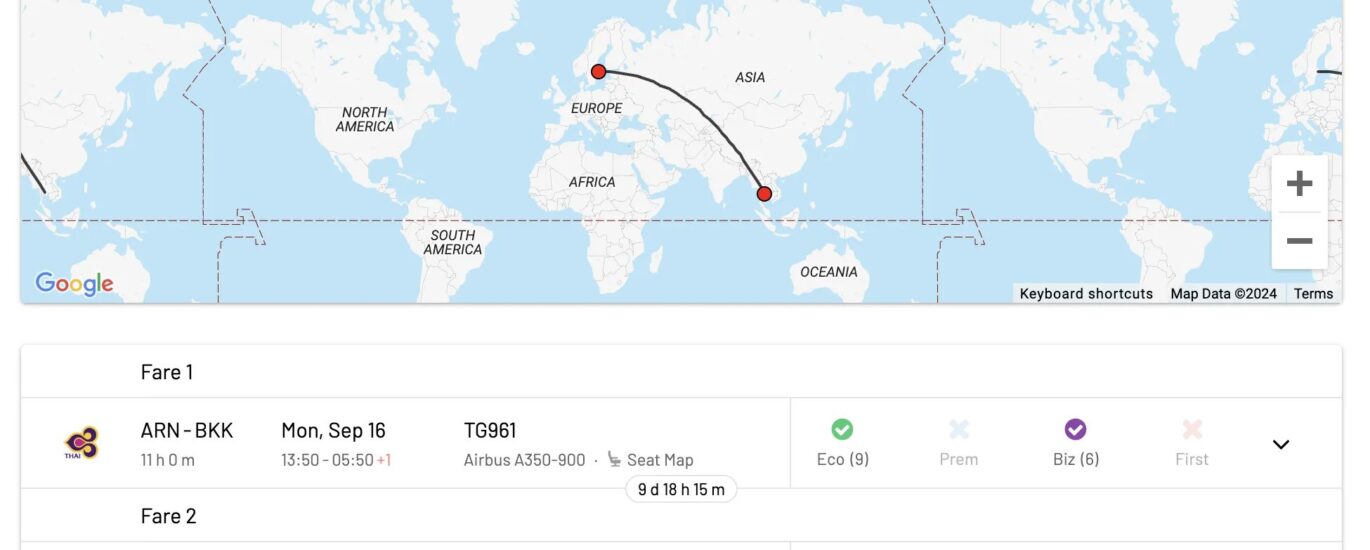
Confirm the departure and return dates, flight times, airports, and number of stops. Pay close attention to overnight flights, which may arrive on a different calendar day than they depart. For connecting itineraries, allow enough time between flights, especially if you need to change terminals or collect and recheck baggage.
Also check whether the ticket is a single itinerary or consists of separate bookings. With separate tickets, a delay on the first flight may not protect you if you miss the next one. Review the airline’s guidance and leave extra time when arranging your own connection.
Can You Change a Round-Trip Flight?
Many tickets can be changed, but the options depend on the airline, fare type, and route. You may have to pay a fare difference, and some tickets may have limited or no flexibility. If you change one part of a round trip, check how the change affects the other flight before confirming.
If you no longer plan to take the outbound flight, contact the airline before your departure. On some itineraries, missing a flight without notifying the airline can lead to the cancellation of later flights on the same booking, including the return. Policies vary, so review your ticket terms.
Frequently Asked Questions
Are round-trip flights always cheaper?
No. Prices depend on the route, dates, demand, airline, and fare rules. Compare round-trip options with separate one-way tickets to see which offers the best overall value.
Can the outbound and return flights be on different airlines?
Yes. Some booking options combine flights operated by different airlines. Check baggage rules, check-in requirements, and connection arrangements for each carrier.
Can I book a return flight for a different city?
Often, yes. This is sometimes called an open-jaw or multi-city itinerary—for example, flying into one city and returning from another. Search for a multi-city ticket or compare separate flights.
Plan Your Return as Carefully as Your Departure
A round-trip flight can simplify travel planning, but the best choice depends on your route, budget, and flexibility. Compare the complete itinerary—not just the advertised fare—and read the ticket conditions before booking. A little research can help you choose flights that suit your plans from takeoff to return.
5 Benefits of Booking Round-Trip Flights
- Conveniently book both flights together.
- Simplifies travel planning.
- Makes return dates easy to manage.
- Can offer savings on some routes.
- Keeps itinerary details in one booking.
6 Drawbacks of Booking Round-Trip Flights
- Less flexibility if your plans change.
- Changing flights may involve fees or fare differences.
- Missing the outbound flight may cancel the return.
- Round-trip fares aren’t always cheaper.
- Fixed return dates can limit your stay.
- Connections may make the trip longer.
Conveniently book both flights together.
One of the biggest advantages of round-trip flights is the convenience of booking your outbound and return flights together. You can choose both travel dates in one place, review the complete itinerary before you pay, and keep your flight details organized under a single booking. This makes planning simpler and helps you confirm that your departure and return times work well with your overall schedule.
Simplifies travel planning.
Round-trip flights simplify travel planning by letting you arrange your departure and return in one booking. With both legs of your journey in the same itinerary, it’s easier to keep track of flight details, organize your schedule, and plan transportation and accommodations around your travel dates.
Makes return dates easy to manage.
Round-trip flights make return dates easy to manage because your departure and return are booked together in one itinerary. You can see both travel dates at a glance, plan your stay around a confirmed return flight, and keep the key details in one place. This is especially helpful when you have a fixed vacation schedule or need to coordinate travel with work, lodging, or other plans.
Can offer savings on some routes.
Round-trip flights can offer savings on some routes, especially when airlines price return travel as a package. Booking both legs together may cost less than purchasing two separate one-way tickets, though prices vary by airline, destination, and travel dates. Compare the total cost of both options, including baggage and other fees, to find the best value.
Keeps itinerary details in one booking.
Booking a round-trip flight keeps your outbound and return details together in one reservation. This makes it easier to review your travel dates, flight times, confirmation number, and booking updates in one place, rather than tracking separate bookings for each direction.
Less flexibility if your plans change.
Round-trip flights can be less flexible if your plans change because the outbound and return flights are often booked together under the same fare rules. Changing a date or route may involve fees, a higher fare, or restrictions, and missing the outbound flight could affect your return reservation. Before booking, check the airline’s change and cancellation policies, especially if your schedule may shift.
Changing flights may involve fees or fare differences.
One drawback of round-trip flights is that changing your plans can be costly. Depending on the airline and fare rules, you may have to pay a change fee, the difference between your original fare and the new one, or both. Since prices can rise as your travel dates approach, even a simple adjustment to your departure or return date may add significantly to the total cost. Before booking, review the ticket’s change and cancellation policies, especially if your plans aren’t firm.
Missing the outbound flight may cancel the return.
If you miss your outbound flight without contacting the airline, the airline may cancel the rest of your itinerary, including your return flight. This depends on the airline’s policies and ticket rules, so check the terms before you travel. If you think you’ll miss your flight, contact the airline as soon as possible to ask about your options and help protect your return booking.
Round-trip fares aren’t always cheaper.
Round-trip fares aren’t always cheaper than booking two one-way flights. Airlines price tickets based on factors such as demand, travel dates, route, and fare availability, so separate one-way tickets may sometimes cost less or offer more convenient flight times. Compare the total price of both options, including baggage fees, seat-selection charges, and other add-ons, before booking.
Fixed return dates can limit your stay.
A fixed return date can make a round-trip flight less flexible, especially if you want to extend your trip or change plans along the way. Staying longer may require paying change fees or the difference in fare, and some tickets may not allow changes at all. If your schedule is uncertain, compare flexible fares or one-way options before booking.
Connections may make the trip longer.
Connections can make a round-trip journey take longer than expected. A lower fare may involve one or more layovers, adding hours to your travel time and requiring you to wait between flights or change planes at another airport. When comparing options, check the total travel time and connection length for both the outbound and return flights—not just the ticket price.