The Fascinating World Around Us
Our world is a vast and diverse place, filled with wonders waiting to be explored. From the towering mountains to the depths of the oceans, from bustling cities to remote villages, the world offers a rich tapestry of cultures, landscapes, and experiences.
Every corner of the globe holds its own unique charm and beauty. Whether you’re drawn to the ancient ruins of Machu Picchu in Peru, the serene temples of Kyoto in Japan, or the vibrant markets of Marrakech in Morocco, there is something for everyone to discover and appreciate.
Exploring the world allows us to broaden our horizons, challenge our perspectives, and connect with people from different walks of life. It teaches us about history, geography, and the environment, reminding us of our place in this intricate web of life.
Traveling also brings us face to face with both the challenges and opportunities that exist in our world. We witness firsthand the effects of climate change, social inequality, and cultural preservation efforts. These experiences inspire us to become more conscious global citizens who strive to make a positive impact on our planet.
As we navigate through this ever-changing world, let us embrace its diversity and beauty with open hearts and curious minds. Let us cherish each moment we spend exploring new places and meeting new people. The world is vast and full of wonders – it’s up to us to uncover them all.
Understanding the World: Frequently Asked Questions and Current Global Insights
- What does world mean?
- What is the concept of world?
- Why is called the world?
- What is world called in English?
- What is the synonym of world?
- What do you mean by the world?
- What is top 10 international news today?
- What is the richest country in the world?
What does world mean?
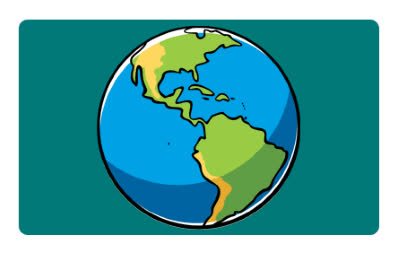
The term “world” encompasses the entirety of our planet Earth, including its diverse cultures, ecosystems, and societies. It refers to the interconnectedness of all living beings and the physical environment they inhabit. The concept of the world extends beyond geographical boundaries to encompass shared human experiences, global challenges, and collective aspirations for a better future. In essence, the world represents the complex tapestry of existence that we are all a part of, highlighting both our differences and our common humanity.
What is the concept of world?
The concept of the world encompasses the entirety of our planet Earth, including its diverse ecosystems, cultures, and societies. It represents the interconnectedness of all living beings and the complex interactions that shape our global community. The world is not just a physical entity but also a symbolic representation of unity and diversity, highlighting the shared experiences and differences that make up our collective human experience. Understanding the concept of the world involves recognizing the interdependence of all beings and the importance of fostering harmony and cooperation to create a sustainable and inclusive future for generations to come.
Why is called the world?
The term “world” is used to describe the entirety of our planet Earth, including its land, oceans, and atmosphere, as well as the diverse forms of life that inhabit it. The word “world” originates from Old English and Germanic roots, where it referred to the age or lifetime of an individual. Over time, its meaning expanded to encompass the entire globe and all that exists within it. Calling our planet “the world” emphasizes its interconnectedness and unity, highlighting the shared experiences and challenges faced by humanity as a whole on this remarkable sphere we call home.
What is world called in English?
In English, the term “world” refers to the planet Earth and all its inhabitants, as well as the entirety of human civilization and the natural environment that surrounds us. The concept of the world encompasses a vast array of cultures, landscapes, and experiences that collectively shape our understanding of the global community we are part of.
What is the synonym of world?
The term “world” can be synonymous with various words such as “globe,” “earth,” “planet,” or “universe.” These synonyms are often used interchangeably to refer to the entirety of our planet, the global community, or the vast expanse of existence. Each synonym carries its own nuances and connotations, but all ultimately encompass the scope and diversity of our shared world.
What do you mean by the world?
The term “world” can have various interpretations depending on the context in which it is used. In a broad sense, the world refers to the entire planet Earth, including its landmasses, oceans, atmosphere, and all living organisms. It encompasses the diverse cultures, societies, and ecosystems that exist across different regions. Additionally, “world” can also be used to describe a particular domain or sphere of activity, such as the world of sports, politics, or technology. Ultimately, the concept of “world” embodies the interconnectedness of humanity and the vast array of experiences and perspectives that shape our understanding of the global community we inhabit.
What is top 10 international news today?
The question “What is the top 10 international news today?” reflects a common curiosity about the most significant global events happening around the world. People seek to stay informed about current affairs, from political developments and economic trends to cultural milestones and humanitarian crises. By staying updated on the top international news stories, individuals can gain valuable insights into the interconnected nature of our world and better understand the impact of events unfolding beyond their immediate surroundings.
What is the richest country in the world?
When it comes to determining the richest country in the world, various factors come into play, such as GDP per capita, natural resources, economic stability, and overall wealth distribution. While different sources may provide varying rankings based on these criteria, countries like Luxembourg, Switzerland, and Norway are often cited among the wealthiest nations globally. These countries boast high standards of living, robust economies, and well-developed infrastructures that contribute to their overall prosperity. Ultimately, defining the richest country involves a nuanced analysis that goes beyond mere monetary wealth to encompass a holistic view of economic well-being and societal factors.